
t: 01224 647652

Love Listening to Music? Discover How Loud Volumes Can Harm Your Hearing
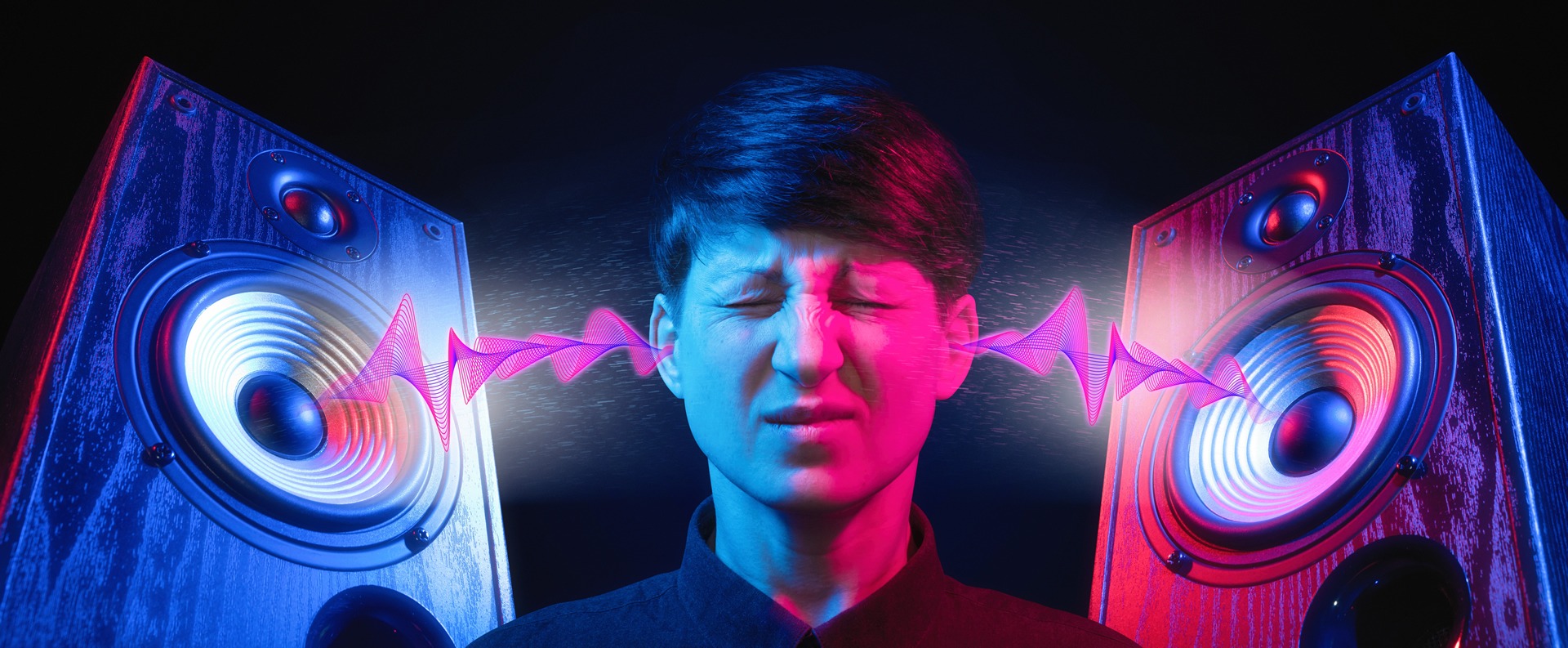
Loud music can harm your ears quickly, leading to permanent hearing loss and tinnitus – that persistent ringing or buzzing in your ears. Be aware of the risks to protect your hearing.
How loud music damages hearing
Inside the cochlea (our hearing organ in the inner ear), there are thousands of sound-sensing cells called hair cells. These tiny cells are essential for hearing: they pick up sound waves and turn them into electrical signals that are sent to the brain and interpreted as sound.
Experts agree that hair cells can start to become damaged by noise at around 85dB and above. That’s a problem when you consider that music at clubs and concerts is often around 110dB, and some headphones play music that’s just as loud when the volume is turned right up.

When you’re exposed to too much loud noise, the hair cells become overstimulated. Once this happens, they become fatigued and stop responding to sound. This can result in temporary hearing loss that you may recognise as dulled hearing – it can last from a few minutes to a few days.
At first, after a break from loud noise, the hair cells may recover. But if you continue listening to music that’s too loud, over time the hair cells may lose their ability to recover and die. The hearing loss becomes noticeable – and it’s permanent.
Research has shown that when hair cells are damaged, neurons (nerve cells in the brain) start searching for electrical signals that aren’t being received from the ear and may become hyperactive. It’s been suggested that this hyperactivity makes the brain more aware of the electrical ‘noise’ from the neurons, which is heard as tinnitus.
Again, this can be temporary, but with continued exposure to loud music, it’s likely that the tinnitus will become permanent. Some people are more susceptible to noise-induced hearing damage than others. But it’s only possible to know your susceptibility once the damage is done.
Tips for listening to music safely
Too much loud music can cause permanent hearing loss and tinnitus. Follow these simple tips to protect your ears, so you can continue to love music for years to come.
When listening through headphones
- Take regular breaks of at least five minutes every hour to give your ears a rest.
- Use a volume limiter on your device (if there is one) – this means you won’t be able to turn the music up without realising it.
- Don’t go over the ‘safe’ volume level that appears on your phone’s screen when you change the volume.
- Turn the volume down a notch – it’ll make a big difference to how long you can listen safely for.
- Invest in some noise-cancelling headphones – not only will these block out the noise around you, they also mean you won’t have to turn up the volume to a dangerous level to hear your music properly over background noise.
When out at gigs, clubs and festivals
- Carry earplugs with you – and use them – on a night out. The reusable kind designed for clubbers and musicians don’t muffle sound, just make it a bit quieter and a lot safer. There are different types available, ranging from the inexpensive to the custom-made.
- In a music venue, stay away from the speakers – the closer you are, the greater the risk of hearing damage.
- Take regular breaks from the loudest areas to give your ears a rest – chill-out zones in clubs are perfect for this.
If you would like some advice about your hearing or information about our range of ear protection for a range of purposes, please get in touch.
© Copyright Bryce Hearing Services 2013-18 | Privacy Policy | All rights reserved | 49 Rose Street, Aberdeen, AB10 1UB Reg No: 1234567890
