
t: 01224 647652

“Fitted Isn’t Finished”: What Tessa Sanderson’s Hearing Journey Teaches Us
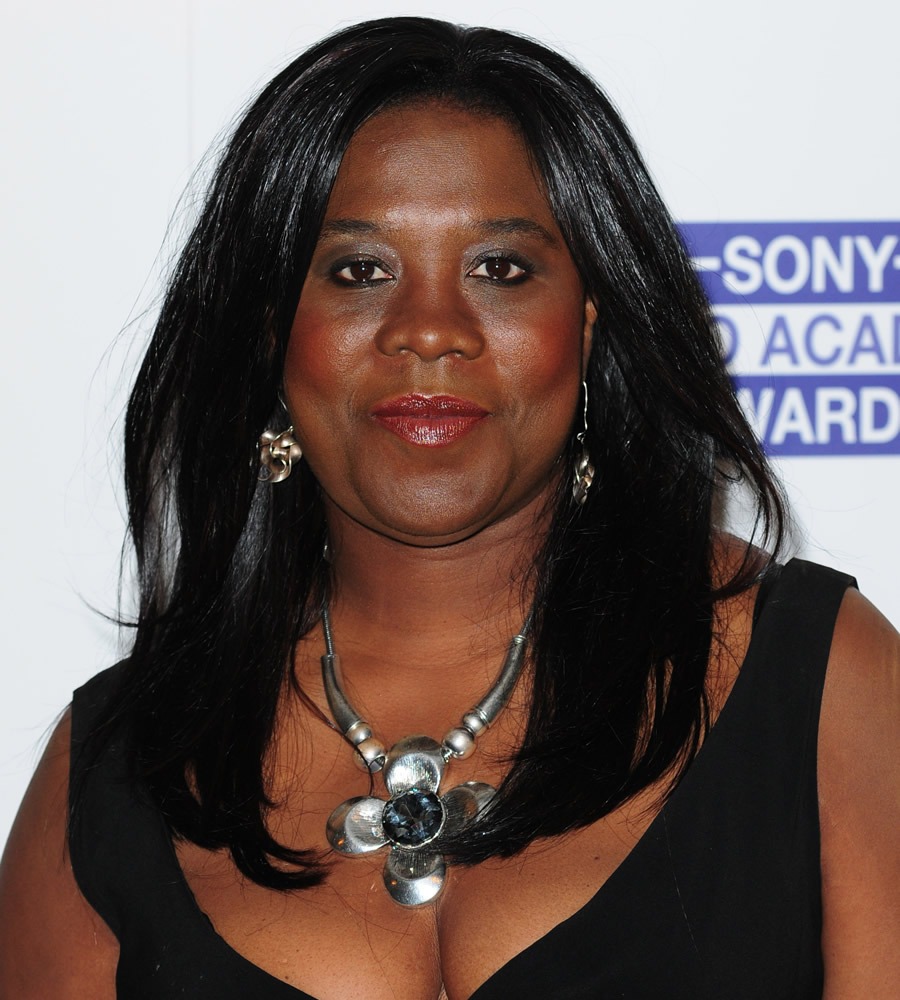
A recent Daily Mirror article tells the story of Olympic gold medallist Tessa Sanderson and her long journey with hearing loss.
Tessa first noticed problems with her hearing as far back as 2001. Like many people, she adapted—sometimes pretending to follow conversations or avoiding situations where hearing was difficult. It wasn’t until 2016 that she was fitted with hearing aids.
But one of the most important messages from her experience is this:
“Fitted isn’t finished.”
Hearing Aids Are the Beginning—Not the End
Many people believe that once they are fitted with hearing aids, the problem is solved.
In reality, that’s when the real journey begins.
At Bryce Hearing Services, we often explain that hearing aids are just one part of a much bigger process—one that involves adjustment, support, and ongoing care.
As Jayne Bryce explains:
“Tessa’s hearing journey is not unique—many people recognise hearing loss for many years before they address it.”
Why Adjustment Takes Time
When hearing has been reduced for a long period, the brain effectively “forgets” how to process certain sounds. Introducing hearing aids suddenly brings those sounds back—but your brain needs time to relearn how to interpret them.
That’s why some people initially feel:
- Overwhelmed by background noise
- Unsure about sound quality
- Tempted to stop wearing their hearing aids
This is completely normal.
As Jayne highlights:
“Persevering with hearing aids and giving your brain a chance to rewire is very important.”
With consistent use and the right guidance, the brain gradually adapts—leading to clearer, more natural hearing.
The Importance of Ongoing Support
“Fitted isn’t finished” also reflects the importance of follow-up care.
Hearing aids often need:
- Fine-tuning and adjustments
- Regular check-ups
- Support in different listening environments
Without this ongoing care, many people don’t get the full benefit of their devices.
That’s why working with an experienced audiologist—and attending follow-up appointments—is just as important as the initial fitting itself.
Hearing Well Is Key to Healthy Ageing
Tessa’s story is also a reminder that hearing health plays a vital role in overall wellbeing.
As Jayne adds:
“Good hearing is essential for healthy ageing.”
Good hearing helps you stay socially connected, mentally active, and confident in everyday life. Addressing hearing loss—and sticking with the process—can make a real difference to long-term quality of life.
Take the Next Step – Not Just the First
If you’ve been putting off dealing with your hearing, you’re not alone. But Tessa Sanderson’s experience shows that waiting only prolongs the challenges.
And if you already have hearing aids but aren’t getting the most from them, remember:
Fitted isn’t finished.
With the right support, guidance, and perseverance, you can achieve far better results than you might expect.
At Bryce Hearing Services, we’re here to support you at every stage of your hearing journey – not just the first step.
© Copyright Bryce Hearing Services 2013-18 | Privacy Policy | All rights reserved | 49 Rose Street, Aberdeen, AB10 1UB Reg No: 1234567890
