
t: 01224 647652

Childhood Hearing Loss: Why a Recent TV Storyline Has Sparked a National Conversation
This week, a storyline in a popular children’s television programme has brought childhood hearing loss firmly into the public conversation. What began as a thoughtful piece of children’s storytelling has quickly gained wider attention, prompting discussion across industry publications, national newspapers, and even daytime television.
The storyline — involving George from Peppa Pig — focuses on the character being identified as having moderate hearing loss. Its calm, positive approach has resonated with parents and professionals alike, helping to normalise a condition that affects many children, often quietly and without obvious signs.
From children’s TV to national discussion
The reach of the story has extended well beyond children’s television. In recent days, it has been discussed across mainstream media, including a segment on Good Morning Britain, highlighting just how strongly the topic has struck a chord with families.
This level of attention reflects growing awareness around childhood hearing health — and the importance of recognising potential issues early.
A powerful real-world connection
One of the most meaningful aspects of the storyline is what sits behind the scenes.
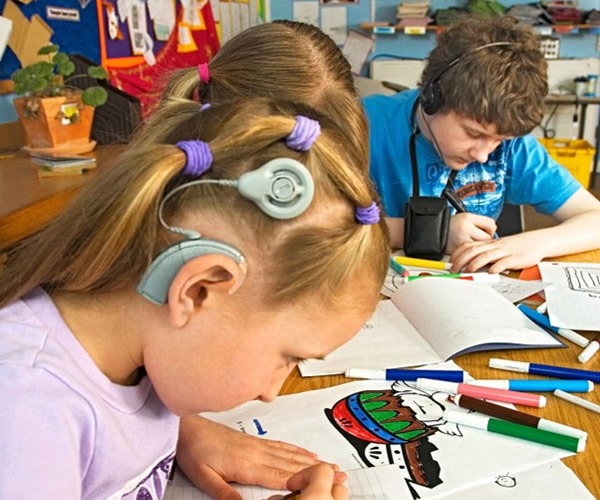
The voice of the audiologist in the programme is provided by Jodie Ounsley, widely known as Fury from Gladiators. Jodie has lived with hearing loss since early childhood and received a cochlear implant when she was very young.
Her involvement adds authenticity and credibility, reinforcing an important message:
with the right support, hearing loss does not limit a child’s potential.

What does “moderate” hearing loss mean for children?
Moderate hearing loss can make it harder for children to hear quieter sounds, follow speech in noisy environments, or keep up with group conversations. Because children are adaptable, signs may be subtle and can include:
- Asking for repetition
- Difficulty following instructions
- Tiredness or withdrawal in busy environments
- Delays in speech or language development
Awareness is key. Early identification allows children to access support at the point where it can make the greatest difference.
Why early hearing checks matter
Children’s brains are especially adaptable in the early years. When hearing loss is identified early and managed appropriately, children are far more likely to:
- Develop strong communication skills
- Engage confidently at school and socially
- Avoid unnecessary frustration or listening fatigue
Early hearing checks are not about labels — they are about clarity, reassurance and opportunity.
Everyday life with hearing support
Modern hearing support for children is designed to fit naturally into everyday life — at home, in school and during play. With the right approach, hearing technology becomes part of the background, allowing children to focus on learning, friendships and fun.
A timely reminder for parents
If recent coverage has prompted questions about your child’s hearing — whether related to speech development, listening behaviour, or feedback from school — that curiosity is a positive first step.
Seeking professional advice early can provide reassurance, clarity and guidance tailored to your child’s needs.
At Bryce Hearing Services, we support families with clear information, careful assessment and a calm, child-friendly approach.
FAQs about Childhood Hearing Loss
What is moderate hearing loss in children?
Moderate hearing loss means a child may struggle to hear quieter sounds or speech, particularly in noisy environments. With early support, most children adapt extremely well.
How common is hearing loss in children?
Childhood hearing loss is more common than many parents realise. It can be present from birth or develop later due to illness, genetics or other factors.
What are early signs of hearing loss in a child?
Signs can include delayed speech, difficulty following instructions, frequently asking for repetition, or appearing inattentive in noisy environments.
At what age should a child’s hearing be checked?
Hearing can be assessed at any age. If parents or teachers have concerns, it is appropriate to seek advice regardless of the child’s age.
Can children live normal lives with hearing loss?
Yes. With early identification and appropriate support, children with hearing loss typically participate fully in school, sport and social activities.
What should parents do if they are concerned?
The first step is to seek professional advice. A hearing assessment can provide reassurance or identify whether support would be beneficial.
© Copyright Bryce Hearing Services 2013-18 | Privacy Policy | All rights reserved | 49 Rose Street, Aberdeen, AB10 1UB Reg No: 1234567890
